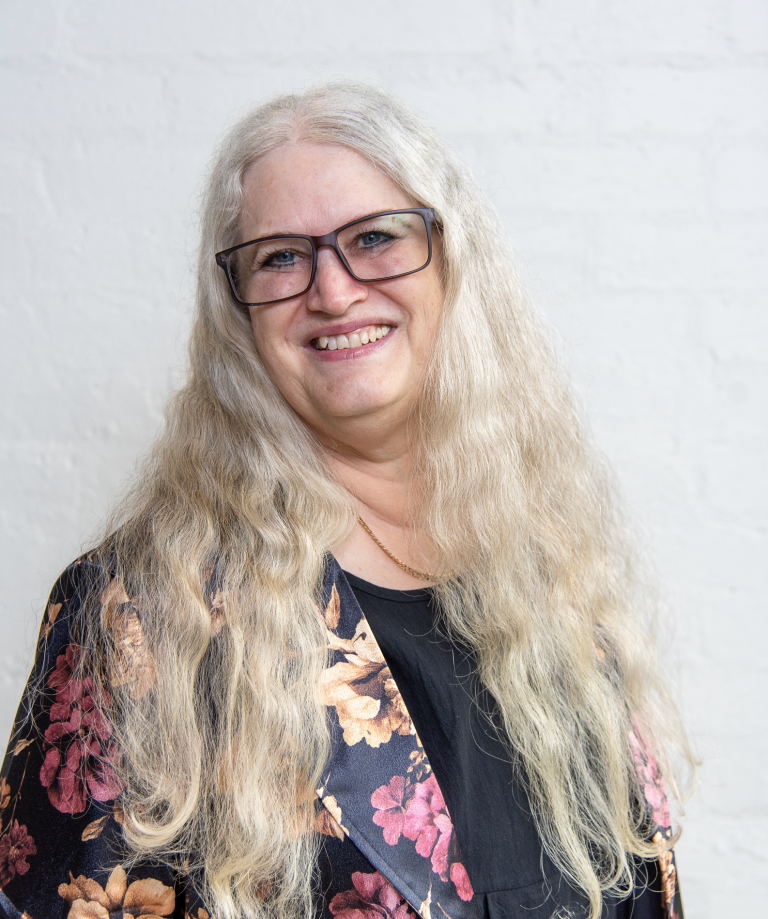
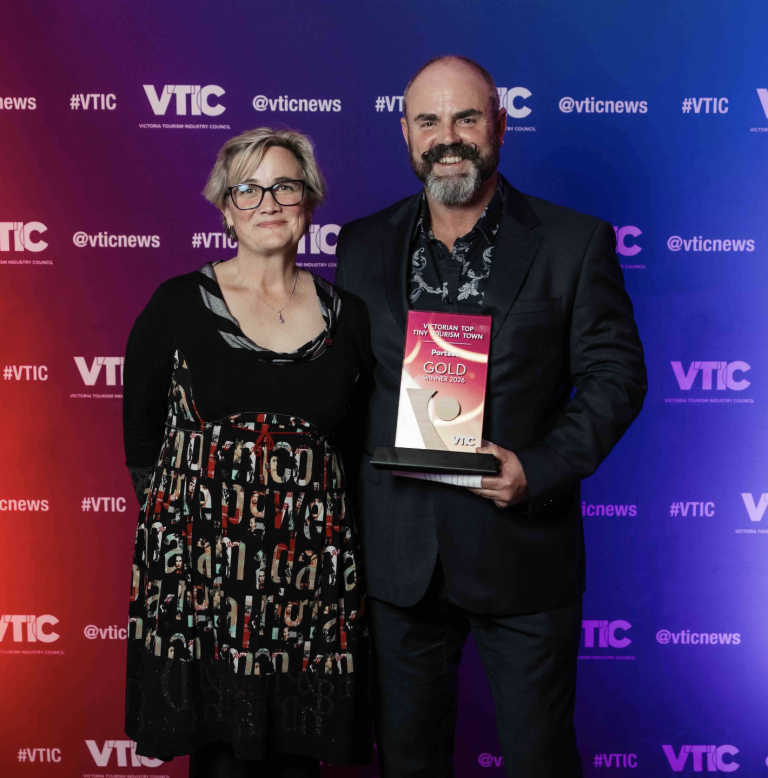
Else’s writing has appeared in Australian Book Review, Meanjin, The Suburban Review and Award Winning Australian Writing, and has been recognised in awards including the Grace Marion Wilson Prize and the Lord Mayor’s Creative Writing Awards.
What is your favourite part about being a writer?
I’m very much a writer who thinks about the cadence of language. I find the most joyful part of writing for me is on the line at a sentence level, the musicality of putting words together. I haven’t been a particularly plot-driven writer to date; I’ve always been more interested in the poetry of the language, which is why I love short fiction so much – although I’m focusing a lot more on plot now that I’m working on my first novel.
How do you find judging the awards?
I love it, I think it’s so interesting. I’ve judged the awards for the past two years now, and each year seeing the kinds of things people are writing is fascinating; there often seem to be common themes emerging. It is such a privilege. You’re not judging established authors, and in that way it is really beautiful seeing these writers develop their craft; it is very impressive to me.
How do you find working with the other judges?
I really like the opportunity to have a conversation with the fellow judges about the stories, why we loved them, what we found compelling. While each of us have our favourites, we go deeper into a more rich reading of the short-listed stories.
I hope it’s not too discouraging for people when they submit to competitions and don’t get short-listed or don’t win; all it means is that on that given day it wasn’t what the judges were looking for, but it doesn’t mean the story isn’t worthwhile. I’ve had the experience of writing a short story, I’ve submitted it to competitions and I didn’t get anywhere. But I kept trying different places, kept submitting. It happened a couple of times where I would send a story out maybe 10 times and then the 11th time it got a prize or got short-listed. If you believe in a story, it’s worth trying again.
What is a common mistake you see writers make in short stories?
People sometimes feel like they have to tell a whole story in a piece of short fiction. For example, feeling like you need to spend paragraphs and paragraphs setting a scene, when maybe it’s OK to drop a reader in and trust that they’re going to go with you. There is a quote by Ursula K. Le Guin: “Novels end with resolution. But a short story can end with disjunction.” A short story can leave you in a place where you want more, but the moment where it rests isn’t necessarily going to give you that closure. I recommend always interrogating your story and asking does it really start or end here? Often you can find that you can pare away paragraphs at the start or the end to find the right opening or closing moment.
How do you think you or emerging writers benefit from participating in competitions like this?
I think it’s a great way to hone your craft, to work on editing and refining your writing. You’ve given yourself a deadline, and you’re taking that leap of sending it off – it is a brave thing to do to show it to people. Also, you can start to inoculate yourself a little to not getting short-listed or not winning. If you want to make a life of being a creative practitioner, it is a good thing to learn. But don’t be discouraged. You never know, it could be the time you get short-listed or win. That will only happen if you put your work out there.
Entries for the Mayor’s Short Story Writing Awards close at 11.59pm on June 30. The awards are open to writers aged eight and up. To find out more and to enter, visit mornpen.vic.gov.au/writingawards or phone 5950 1411.